2. Prescription and Consultation: Before considering home use of medical oxygen, it is vital to consult with a healthcare professional who can assess your condition and determine the appropriate oxygen therapy. A prescription is required to ensure the correct flow rate and duration of oxygen therapy, tailored to your specific needs.
3. Safety Precautions: Safety should be the top priority when using medical oxygen at home. Follow these essential precautions:
a. Store and handle cylinders upright in a well-ventilated area, away from heat sources or flammable materials.
b. Avoid smoking or open flames in the vicinity of oxygen equipment.
c. Keep cylinders secured to prevent accidental tipping or damage.
d. Regularly check for leaks, damaged equipment, or signs of malfunction. Report any issues to your healthcare provider.
e. Familiarise yourself with the emergency procedures in case of oxygen-related incidents.
4. Equipment and Accessories: Ensure that you have the necessary equipment and accessories for proper oxygen administration:
a. Oxygen cylinders: These come in different sizes and capacities, providing flexibility for home use. Consult with your healthcare provider to determine the most suitable size for your needs.
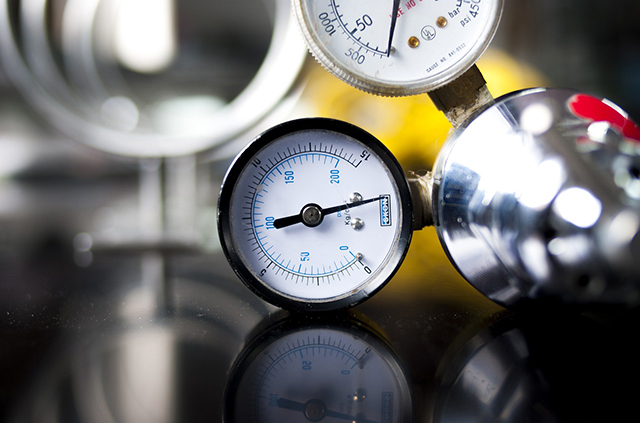
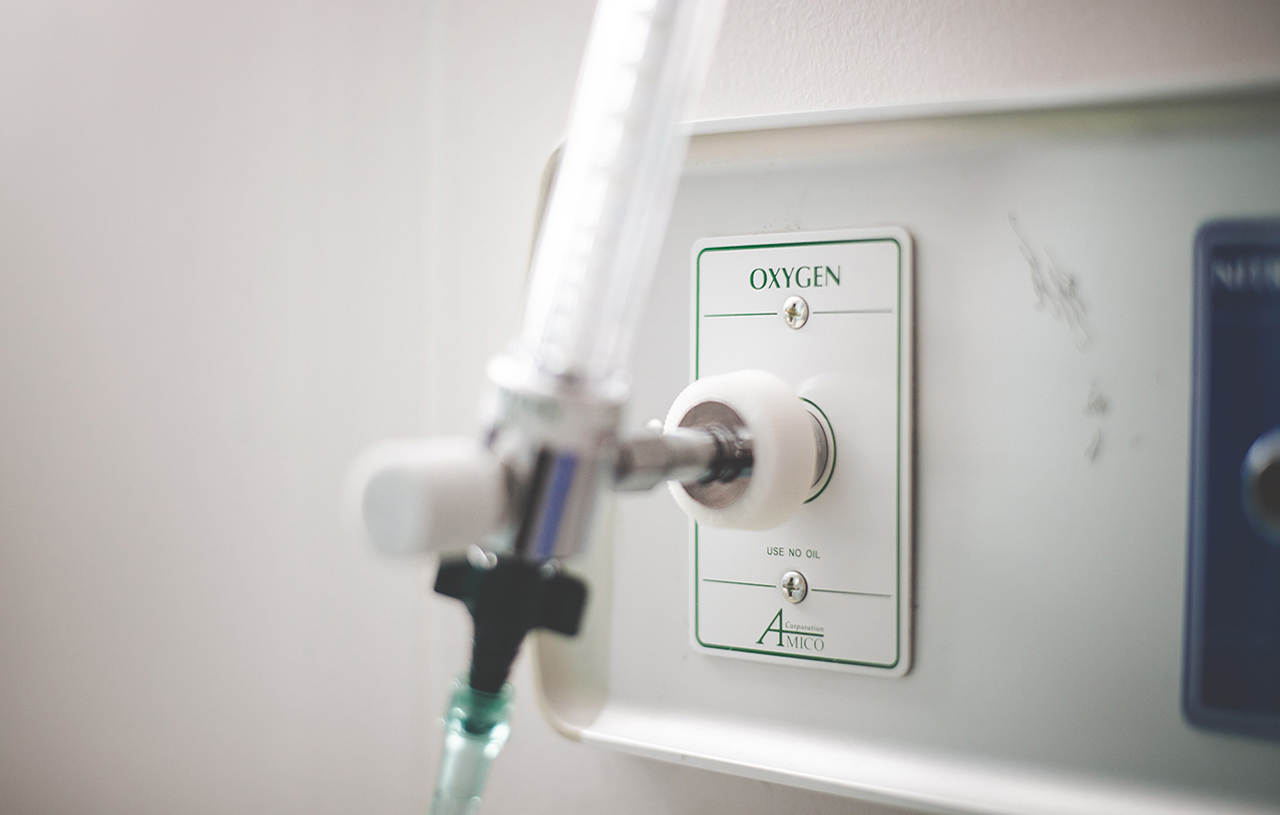
b. Regulator: A regulator controls the flow of oxygen from the cylinder to the user. Make sure it is compatible with your specific cylinder and easy to adjust.
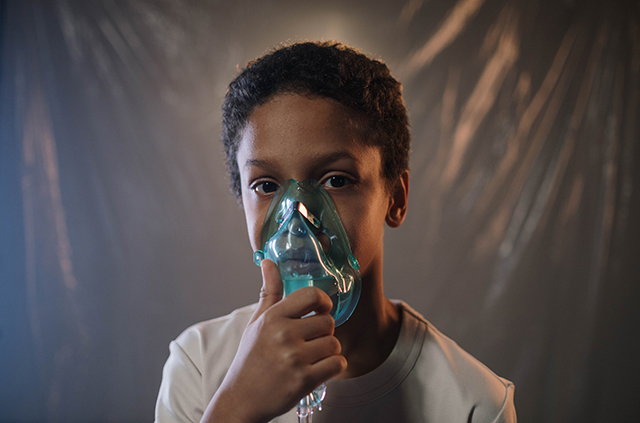
c. Nasal cannula or mask: These deliver oxygen to the user's airways. Choose the appropriate interface based on comfort and effectiveness.
d. Tubing: High-quality oxygen tubing allows for the efficient delivery of oxygen from the cylinder to the user. Ensure it is clean and free from kinks or damage.
5. Maintenance and Refilling: Regular maintenance is essential to ensure the reliable performance of your medical oxygen equipment. Follow these guidelines:
a. Keep a schedule for cylinder refills to ensure a continuous supply of oxygen.
b. Clean equipment regularly following manufacturer instructions and maintain proper hygiene.
c. Inspect connections, valves, and tubing for wear or damage. Replace components as needed.
d. Store spare cylinders as a backup to avoid interruption in oxygen therapy.
6. Mobility and Independence: Home use of medical oxygen cylinders provides individuals with respiratory conditions the freedom to lead fulfilling lives. With portable oxygen systems, users can engage in daily activities, pursue hobbies, and even travel with the necessary precautions. Enjoy the newfound mobility and independence that medical oxygen can offer.
Home use of medical oxygen cylinders empowers individuals with respiratory conditions to manage their health and lead fulfilling lives. By understanding the importance of safety precautions, ensuring proper equipment and accessories, and maintaining regular maintenance and refilling schedules, users can experience the benefits of improved breathing and increased independence. Consult with healthcare professionals to guide you through the process and enjoy the enhanced quality of life that medical oxygen therapy brings.